

What Is the Molecular Formula of Trichloroisocyanuric Acid? – HENAN TOKAI CHEM
Trichloroisocyanuric acid (TCCA) is a widely used chemical compound known for its powerful disinfecting and sanitizing properties. Whether you’re a chemist, a pool maintenance professional, or simply someone curious about the science behind household cleaning agents, understanding the molecular formula of TCCA is essential. In this article, we’ll explore its chemical composition, structure, applications, and answer frequently asked questions (FAQs) to provide a complete guide.
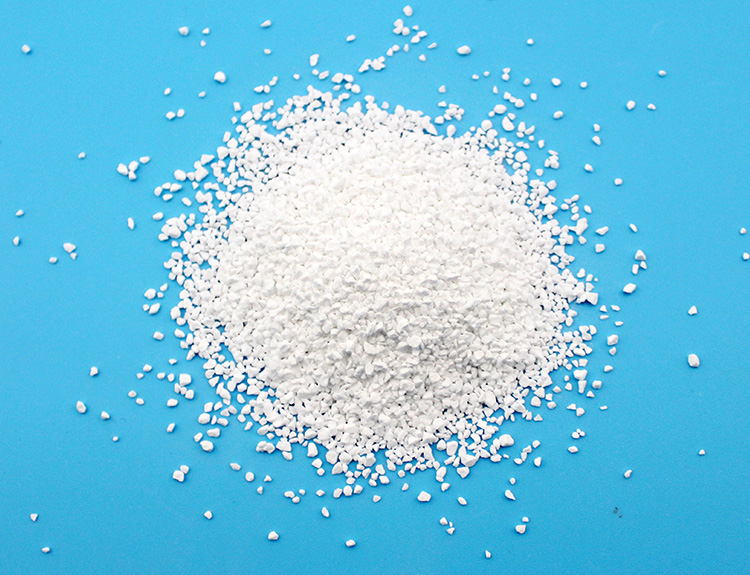
1). What Is the Molecular Formula of Trichloroisocyanuric Acid?
The molecular formula of trichloroisocyanuric acid is C₃Cl₃N₃O₃. This formula indicates that each molecule of TCCA consists of:
3 carbon (C) atoms
3 chlorine (Cl) atoms
3 nitrogen (N) atoms
3 oxygen (O) atoms
2). Chemical Structure and Properties
TCCA belongs to the class of organic compounds known as cyanuric acid derivatives. Its structure features a 1,3,5-triazine ring (a six-membered ring with alternating nitrogen and carbon atoms) substituted with three chlorocarbonyl groups (–COCl).
3). Key Properties:
Molecular Weight: 232.41 g/mol
Appearance: White crystalline powder or tablets
Solubility: Slightly soluble in water, but dissolves readily in organic solvents like acetone.
Stability: Stable under normal conditions but decomposes when exposed to heat or moisture, releasing chlorine gas.
How Is Trichloroisocyanuric Acid Used?
TCCA is valued for its strong oxidizing and chlorinating properties, making it a popular choice in various industries:
Water Treatment: Used as a disinfectant in swimming pools, spas, and drinking water to kill bacteria, viruses, and algae.
Industrial Cleaning: Effective for sanitizing surfaces in food processing, hospitals, and laboratories.
Bleaching Agent: Utilized in the textile and paper industries for whitening fabrics and paper products.
Agriculture: Sometimes applied as a fungicide or algaecide in crop protection.
Safety Precautions When Handling TCCA
Due to its reactive nature, TCCA requires careful handling:
Avoid Mixing with Acids: Reacts violently with acids, releasing toxic chlorine gas.
Store in a Cool, Dry Place: Prevents premature decomposition.
Use Protective Gear: Gloves, goggles, and a mask are recommended during handling.
Frequently Asked Questions (FAQs) About Trichloroisocyanuric Acid
Q1: What is the difference between trichloroisocyanuric acid and sodium dichloroisocyanurate?
A: Both are chlorinated isocyanurates, but TCCA (C₃Cl₃N₃O₃) contains three chlorine atoms, while sodium dichloroisocyanurate (NaC₃N₃O₃Cl₂) has two chlorine atoms and a sodium ion. TCCA is more stable and releases chlorine more slowly.
Q2: Is trichloroisocyanuric acid the same as chlorine tablets?
A: Yes, TCCA is commonly sold as chlorine tablets or granules for pool sanitization. However, not all chlorine tablets are TCCA—some may contain other chlorinating agents like calcium hypochlorite.
Q3: Can trichloroisocyanuric acid be used for drinking water disinfection?
A: Yes, but only in controlled doses approved by health authorities. Overuse can lead to harmful byproducts like chloroform.
Q4: What happens if trichloroisocyanuric acid gets wet?
A: Moisture triggers decomposition, releasing chlorine gas. Always store TCCA in airtight containers away from humidity.
Q5: Is trichloroisocyanuric acid environmentally friendly?
A: While effective as a disinfectant, TCCA can form chlorinated byproducts that may harm aquatic life if not managed properly. Proper disposal and dosage are crucial.
Q6: How does trichloroisocyanuric acid compare to bleach (sodium hypochlorite)?
A: TCCA is more stable and has a longer shelf life than liquid bleach. It also provides a sustained release of chlorine, making it ideal for pool shock treatments.
Conclusion
The molecular formula of trichloroisocyanuric acid—C₃Cl₃N₃O₃—is the foundation of its chemical identity and functionality. As a versatile disinfectant, TCCA plays a vital role in maintaining hygiene across multiple industries. By understanding its composition, properties, and safety guidelines, users can harness its benefits effectively while minimizing risks.
For further inquiries or specific applications, consult to HENAN TOKAI CHEM manufacturer guidelines.